


Cart abandonment happens when shoppers add products to their cart but leave without completing the purchase. For many ecommerce businesses, this is one of the biggest barriers to increasing revenue. While the average cart abandonment rate is often reported to be around 70%, the actual rate varies depending on your industry, products, device type, and customer behavior.
Every abandoned cart represents potential revenue that never becomes a sale. Beyond the immediate financial loss, cart abandonment also increases customer acquisition costs and reduces the return on your marketing efforts. That’s why tracking your cart abandonment rate is essential—it helps you understand how much revenue you’re losing, identify where customers drop off, and measure whether your recovery strategies are actually working.
If you’re looking for a complete strategy to reduce lost sales and recover abandoned carts, start with our Abandoned Cart Recovery for WordPress: The Playbook. It explains the complete recovery process—from identifying why shoppers leave to optimizing checkout and increasing completed purchases.
In this guide, you’ll learn how to calculate your cart abandonment rate, estimate your lost revenue, and discover practical ways to reduce abandoned carts and recover more sales for your WordPress store.
What Is Cart Abandonment?
Cart abandonment is one of the most common challenges in ecommerce, affecting businesses of all sizes. It occurs when shoppers show purchase intent by adding products to their cart but leave before completing the checkout. Understanding what cart abandonment is and why it happens is the first step toward reducing lost sales and improving conversions.
What Does Cart Abandonment Mean?
Cart abandonment occurs when a shopper adds products to an online shopping cart but leaves the website without completing the purchase. The items remain in the cart, but the transaction is never completed.
It differs from casual browsing or window shopping because the shopper has already shown clear purchase intent by selecting products and adding them to the cart. However, something prevents them from completing the checkout process.
How Does Cart Abandonment Happen?
Cart abandonment typically occurs during the checkout process. A typical customer journey looks like this:
- The shopper browses products and adds one or more items to the cart.
- They proceed to checkout and begin entering their shipping and billing information.
- Before completing the payment, they leave the website without placing the order.
Common reasons include:
- Unexpected shipping or additional fees
- A lengthy or complicated checkout process
- Limited payment options
- Slow website performance
- Security or trust concerns
- Distractions or a change of mind
In many cases, shoppers intend to return later but never complete their purchase.
Why Is Cart Abandonment Important to Track?
Tracking cart abandonment helps you understand how much potential revenue your business is losing and where customers drop off during the buying journey. A high cart abandonment rate often indicates friction in the checkout experience that needs attention.
By monitoring this metric, you can:
- Estimate lost revenue more accurately
- Identify bottlenecks in the checkout process
- Measure the effectiveness of recovery strategies, such as abandoned cart emails and reminders
- Improve conversion rates and overall customer experience
Understanding your cart abandonment rate enables you to make data-driven decisions that can increase completed purchases and maximize revenue over time.
What Is a Cart Abandonment Rate?
The cart abandonment rate is the percentage of shoppers who add one or more items to their online shopping cart but leave without completing the purchase. It measures how often potential customers abandon their carts after showing clear purchase intent.
A high cart abandonment rate may indicate issues such as a complicated checkout process, unexpected costs, limited payment options, or a lack of customer trust. Monitoring this metric helps ecommerce businesses estimate lost revenue and identify opportunities to improve conversions.
How to Calculate Cart Abandonment Rate
To calculate your cart abandonment rate, you’ll need two key metrics for a specific period (such as a week or month):
- Total carts created (shopping sessions where at least one item was added to the cart)
- Completed purchases (orders successfully placed)
Subtract the number of completed purchases from the total number of carts created. Then divide the result by the total number of carts created and multiply by 100 to calculate the percentage.
Cart Abandonment Rate Formula
Cart Abandonment Rate =
((Number of Carts Created − Number of Completed Purchases)
÷ Number of Carts Created) × 100
Example Calculation
Suppose your online store recorded the following data over one month:
- Carts Created: 2,000
- Completed Purchases: 600
Calculation:
(2,000 − 600) ÷ 2,000 = 0.70
0.70 × 100 = 70%. This means 70% of shoppers who added items to their cart left without completing their purchase, while only 30% completed the checkout process.
How to Calculate Lost Revenue from Cart Abandonment
Knowing your cart abandonment rate is only part of the picture. To understand its real business impact, you also need to estimate how much revenue those abandoned carts represent. By combining your Average Order Value (AOV) with the number of abandoned carts, you can calculate your potential revenue loss and identify opportunities to recover more sales.
Step 1: Calculate Your Average Order Value (AOV)
Average Order Value (AOV) is the average amount a customer spends on each completed order. It’s a key metric for estimating how much revenue each abandoned cart could represent.
To calculate your AOV, divide your total revenue by the number of completed orders during the same period.
Formula
Average Order Value (AOV) = Total Revenue ÷ Number of Completed Orders
Example
If your store generated $50,000 in revenue from 1,000 completed orders, your AOV would be:
$50,000 ÷ 1,000 = $50
Step 2: Determine Your Number of Abandoned Carts
Next, calculate how many shoppers added products to their cart but didn’t complete the purchase.
You can find this information in your ecommerce platform or analytics tool, such as WooCommerce, Shopify, or Google Analytics.
Formula
Abandoned Carts = Total Carts Created − Completed Orders
Step 3: Estimate Your Lost Revenue
Once you know your AOV and the number of abandoned carts, multiply them to estimate your potential lost revenue.
Formula
Estimated Lost Revenue = Abandoned Carts × Average Order Value (AOV)
Keep in mind that this is an estimate, not a guaranteed loss. Some shoppers may never have completed their purchase, even with recovery efforts. However, this calculation provides a useful benchmark for understanding the potential revenue at stake.
Revenue Loss Example
Let’s assume your store recorded the following data over one month:
- Total Revenue: $45,000
- Completed Orders: 900
- Total Carts Created: 3,000
Step 1: Calculate AOV
$45,000 ÷ 900 = $50
Step 2: Calculate Abandoned Carts
3,000 − 900 = 2,100
Step 3: Estimate Lost Revenue
2,100 × $50 = $105,000
In this example, your store’s estimated potential revenue loss from cart abandonment is $105,000 for the month. While not every abandoned cart would have resulted in a completed purchase, this figure highlights the significant revenue opportunity that effective cart recovery strategies can help you reclaim.
Why Cart Abandonment Hurts Your Business
Cart abandonment affects more than just individual sales—it impacts your store’s overall profitability and growth. A high cart abandonment rate can reduce conversions, increase marketing costs, and limit long-term customer value. Understanding these impacts helps you prioritize strategies that recover more sales and improve your ecommerce performance.
Lost Sales and Revenue
Every abandoned cart represents a potential sale that never happens. When shoppers leave without completing their purchase, your business misses out on revenue that could have been earned. Over time, even a moderate cart abandonment rate can result in thousands of dollars in lost sales, making it one of the highest hidden costs in ecommerce.
Lower Conversion Rates
Cart abandonment directly affects your store’s conversion rate. Although many visitors show purchase intent by adding products to their cart, they never become paying customers if they abandon the checkout process. A high abandonment rate reduces the efficiency of your sales funnel and makes it more difficult to grow your business.
Increased Customer Acquisition Costs
Attracting visitors through paid ads, SEO, email marketing, or social media requires time and money. When shoppers abandon their carts, you still incur those acquisition costs without generating a sale. As a result, your cost per acquisition (CPA) increases while your marketing return on investment (ROI) decreases.
Reduced Customer Lifetime Value (CLV)
The first purchase often determines whether a customer returns to buy again. When shoppers abandon their carts before completing an order, they’re less likely to become repeat customers. This reduces Customer Lifetime Value (CLV) and limits your ability to build long-term, sustainable revenue.
Common Reasons Customers Abandon Their Carts
Customers abandon their shopping carts for many reasons, and not all of them are within your control. However, many common causes—such as unexpected costs, a complicated checkout process, or limited payment options—can be identified and improved. Understanding why shoppers leave is the first step toward reducing cart abandonment and increasing conversions.
Unexpected Shipping or Extra Costs
Unexpected shipping fees, taxes, or additional charges are among the most common reasons for cart abandonment. When the final price is significantly higher than expected, many shoppers decide not to complete their purchase.
Complicated Checkout Process
A long or confusing checkout process can frustrate customers and increase the likelihood of abandonment. Too many form fields, unnecessary steps, or poor navigation often cause shoppers to leave before completing their order.
If you want to streamline your checkout experience, read One-Page/Instant Checkout: Does It Boost Conversions? to learn how reducing checkout steps can improve conversions.
Forced Account Creation
Requiring customers to create an account before making a purchase adds unnecessary friction. Offering a guest checkout option allows shoppers to complete their purchase more quickly and conveniently.
Limited Payment Options
Customers expect to pay using their preferred payment method. If your store doesn’t support popular options—such as credit cards, digital wallets, or local payment methods—they may abandon their purchase and look elsewhere.
Slow Website Performance
A slow-loading website can negatively impact the shopping experience, especially during checkout. Even a short delay may cause impatient shoppers to leave before completing their purchase.
Security and Trust Concerns
Shoppers are less likely to complete a purchase if they don’t trust your website. Missing SSL certificates, security badges, customer reviews, or clear return policies can make customers hesitant to share their payment information.
Price Comparison and Window Shopping
Some customers intentionally add items to carts across multiple sites to compare prices or save products for later. They may never intend to buy immediately, which still counts as abandonment.
To strengthen trust during checkout, see Checkout Verification: Reduce Fake Orders Before They Happen, which explains how verification improves security while creating a more reliable shopping experience.
How to Reduce Cart Abandonment
Reducing cart abandonment doesn’t require a complete redesign of your online store. In many cases, small improvements to your checkout experience, payment options, and customer communication can make a significant difference. Below are some of the most effective strategies to recover more sales and improve your conversion rate.
Simplify the Checkout Process
A long or complicated checkout process is one of the biggest causes of cart abandonment. Reduce unnecessary form fields, minimize the number of checkout steps, and make navigation as simple as possible. A clean, user-friendly checkout helps shoppers complete their purchase with less friction.
Offer Guest Checkout
Many shoppers prefer not to create an account before making a purchase. Providing a guest checkout option removes an unnecessary barrier and allows customers to complete their orders faster. You can always invite them to create an account after the purchase.
Show Shipping Costs Upfront
Unexpected shipping fees and additional charges often cause shoppers to abandon their carts. Display estimated shipping costs or free shipping thresholds early in the shopping journey to set clear expectations and build customer trust.
Improve Site Speed
A slow-loading website can frustrate shoppers and increase cart abandonment. Optimize your site’s performance by compressing images, enabling caching, and using reliable hosting to ensure a fast and smooth checkout experience.
Provide Multiple Payment Options
Customers expect flexible payment choices. Supporting popular payment methods—such as credit and debit cards, digital wallets, and local payment gateways—makes it easier for shoppers to complete their purchases using their preferred option.
Build Customer Trust
Trust plays a major role in purchasing decisions. Display SSL security, secure payment badges, customer reviews, clear return policies, and contact information to reassure shoppers that your store is safe and reliable.
Use Automated Cart Recovery
Even with an optimized checkout, some shoppers will still leave before purchasing. Automated recovery emails help remind customers about the products they left behind and encourage them to return.
You can also reduce abandonment by allowing customers to complete purchases from more places across your website. Learn how Embeddable Checkout: Sell Anywhere on Your Site creates a smoother buying experience with fewer interruptions.
Best Practices to Reduce Cart Abandonment Rate
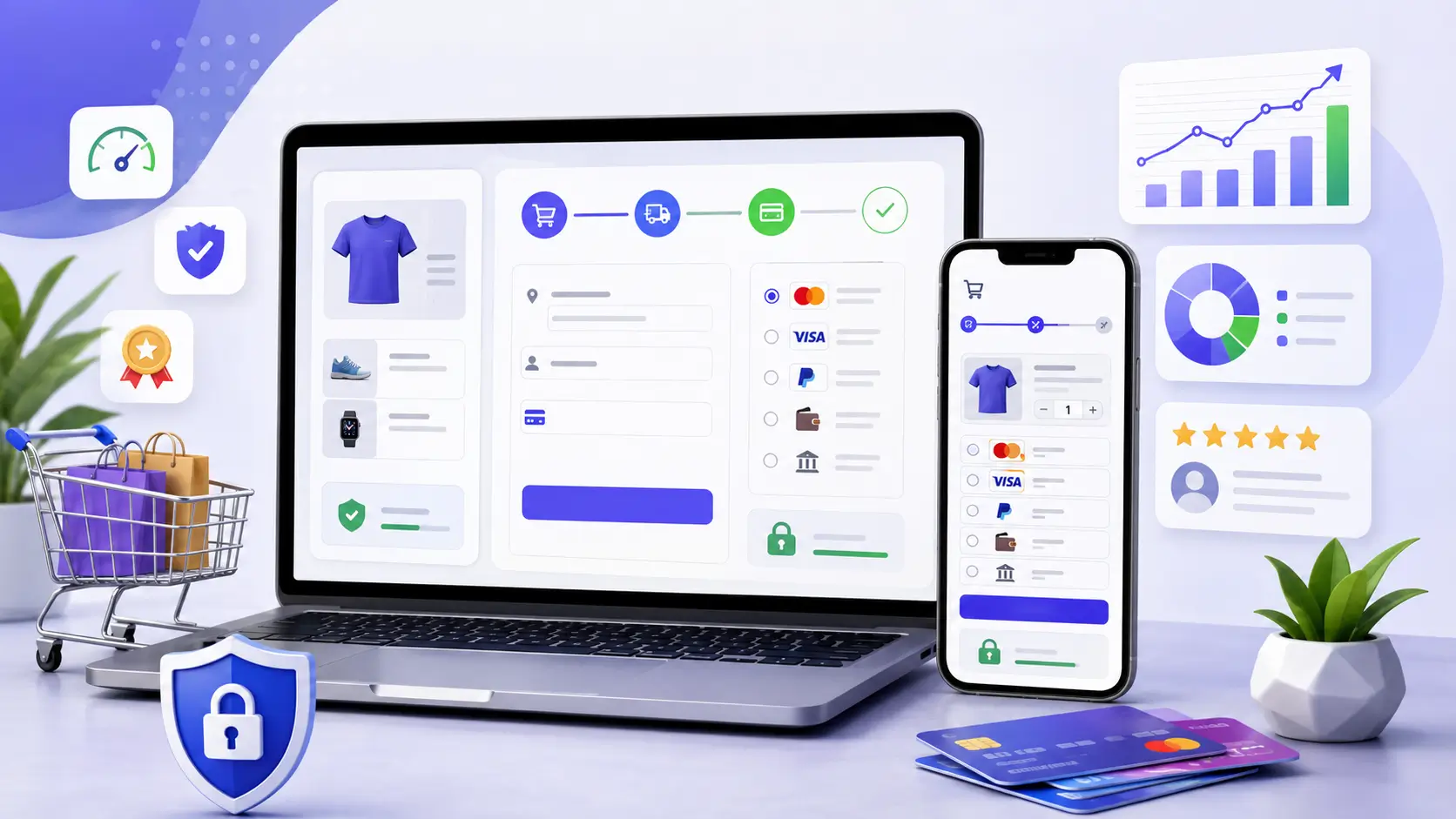
While cart recovery strategies can help bring customers back, preventing abandonment in the first place is even more valuable. By improving the overall shopping experience, WordPress store owners can encourage more customers to complete their purchases.
Consider these best practices:
- Optimize checkout pages — Keep the checkout process simple, focused, and free from unnecessary steps or distractions.
- Display total costs clearly — Show shipping fees, taxes, and additional charges as early as possible to avoid surprises at checkout.
- Improve website speed — Regularly test and optimize loading times, especially for mobile shoppers.
- Add customer reviews and trust elements — Build confidence with social proof, security indicators, and clear store policies.
- Offer multiple payment methods — Provide payment flexibility so customers can choose the option that works best for them.
- Test different checkout strategies — Use A/B testing and analytics to identify changes that improve your store’s conversion rate.
Consistently improving these areas helps create a smoother buying experience, reduce abandoned carts, and increase completed purchases over time.
Conclusion
Cart abandonment is not a lost cause — it represents potential revenue that can often be recovered. Every abandoned cart comes from a shopper who was already interested in your products, and with the right combination of checkout optimization, transparent pricing, flexible payment options, and effective recovery strategies, WordPress store owners can turn more missed opportunities into completed sales.
Instead of treating cart abandonment as an unavoidable part of running an online store, view it as an opportunity for improvement. Start by tracking your abandonment rate and identifying where customers drop off, then apply strategies that create a smoother buying experience. With tools like StoreEngine, store owners can build a more reliable and customer-friendly WordPress store that helps convert more visitors into buyers.
Frequently Asked Questions (FAQ)
What is the average cart abandonment rate?
Industry research generally estimates the average online cart abandonment rate at around 70%, although the exact number varies depending on the industry, device, and traffic source. This benchmark can help store owners evaluate performance, but tracking your own store’s data provides the most accurate insight.
How much money do businesses lose from abandoned carts?
The potential lost sales value depends on factors such as the number of abandoned carts, average order value, and overall store performance. Store owners can estimate this by multiplying the number of abandoned carts by their average order value over a specific period.
Can cart abandonment be recovered automatically?
Yes, many abandoned carts can be recovered with automated strategies. Cart recovery emails sent shortly after abandonment are one of the most widely used methods. Retargeting campaigns can also help reconnect with shoppers who leave without completing their purchase.
How can I reduce cart abandonment in my WordPress store?
You can reduce cart abandonment by simplifying the checkout process, offering trusted payment options, displaying costs clearly, improving website performance, and using recovery strategies such as automated emails and retargeting campaigns.
Does StoreEngine help with abandoned cart recovery?
StoreEngine helps create a smoother shopping experience through features like flexible checkout options, payment support, product and inventory management, and order management. By reducing common shopping barriers, StoreEngine helps WordPress store owners create a better buying experience and increase completed purchases.