


The three core eCommerce business models are defined by who you sell to: B2C sells to individual consumers, B2B sells to other businesses, and D2C means a manufacturer sells directly to consumers without retailers in between. B2B dominates by transaction value at $36 trillion globally, B2C leads in transaction count, and D2C is the fastest-growing route for brands that want to own the customer relationship. Here is how each works.
💡 Quick Takeaway:
In the US, roughly 87% of all eCommerce transaction value is B2B — not consumer retail. Yet B2C gets most of the attention because it has far more individual transactions. Understanding which model you are actually running (many stores mix two) shapes everything from pricing and checkout design to how you handle taxes and payment terms.
What is B2C eCommerce?
Business-to-Consumer is what most people picture when they think of an online store: a business sells finished products to individual shoppers. Amazon retail, fashion stores, electronics shops, digital product sellers — all B2C. The customer buys for personal use, pays immediately at checkout, and expects fast delivery and easy returns.
The global B2C eCommerce market is projected to grow from roughly $7.7 trillion in 2025 to about $9 trillion in 2026, with clothing and footwear as the largest category. Asia Pacific dominates with nearly 60% of global revenue.
What defines the B2C model
What is B2B eCommerce?
Business-to-Business means selling to other companies: a wholesaler supplying retailers, a manufacturer selling components, a software company licensing tools to businesses. The buyer is purchasing for the company’s operations or resale, not personal use.
B2B is the giant of eCommerce that most people underestimate. The global B2B eCommerce market is valued at roughly $36 trillion in 2026 — more than five times B2C by transaction value — growing at 14.5% annually. Three out of four B2B buyers say they would switch suppliers for a better online purchasing experience, and US B2B digital channels now account for 56% of total B2B revenue, up from 32% in 2020.
What defines the B2B model
What is D2C eCommerce?
Direct-to-Consumer is a specific flavor of selling to consumers: the brand that makes (or owns) the product sells it directly, cutting out wholesalers, distributors, and retail shelves. Instead of your product sitting in someone else’s store at someone else’s margin, you own the storefront, the pricing, the data, and the customer relationship.
US D2C eCommerce reached $239.75 billion in 2025, accounting for 19.2% of all US retail eCommerce, and 64% of consumers worldwide now buy directly from brands. The model keeps growing because the economics are compelling: removing intermediaries means better margins, and owning customer data means better retention and repeat marketing.
What defines the D2C model
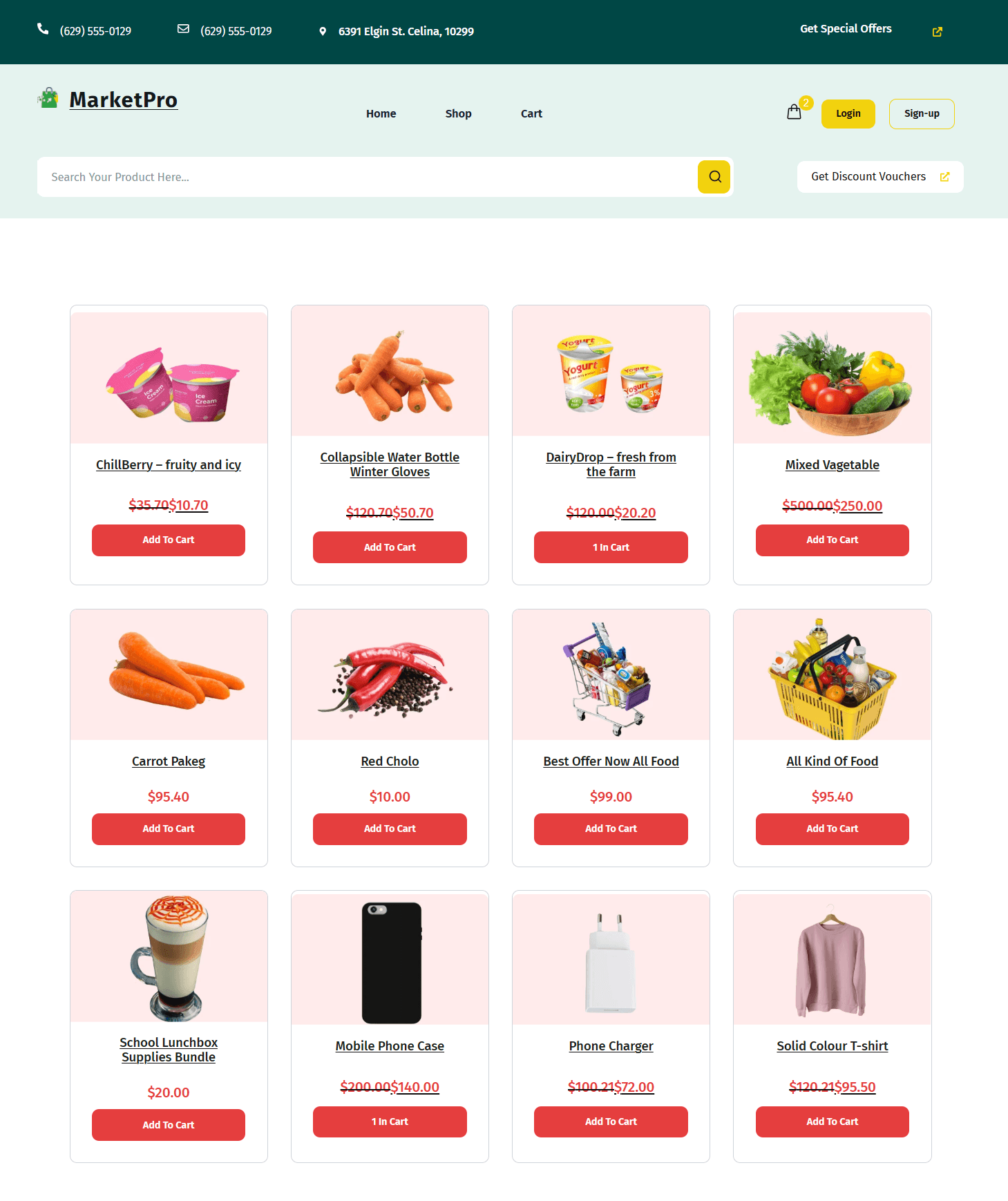
How do B2C, B2B, and D2C compare?
The three core eCommerce business models — by market size, order economics, buying behavior, and what it takes to win in each.
|
Comparison |
B2C |
B2B |
D2C |
|
Who you sell to |
Individual consumers |
Other businesses |
Consumers, direct from brand |
|
Global market (2026) |
~$9 trillion |
~$36 trillion |
~$900 billion |
|
Average order value |
Low |
High (bulk) |
Low–medium |
|
Decision cycle |
Minutes to days |
Weeks to months |
Minutes to days |
|
Payment style |
Instant checkout |
Invoices, net terms, POs |
Instant checkout |
|
Pricing |
Fixed retail |
Tiered / negotiated |
Fixed, brand-set |
|
Key success metric |
Conversion rate |
Account retention |
Repeat purchase / LTV |
|
Main challenge |
Competition & CAC |
Complex buying process |
Rising acquisition costs |
The surprise stat: In the US, roughly 87% of all eCommerce transaction value is B2B — not consumer retail. B2C has far more individual transactions, but B2B orders are dramatically larger. Most successful stores eventually run more than one model from the same catalog.
Can one store run more than one model?
Yes — and increasingly, the successful ones do. A coffee roaster sells bags on its website (D2C), supplies cafes by the pallet (B2B), and lists on a marketplace (B2C via a third party). A software company sells single licenses to individuals (B2C) and volume licenses to companies (B2B). The models are lenses on the same catalog, not separate businesses.
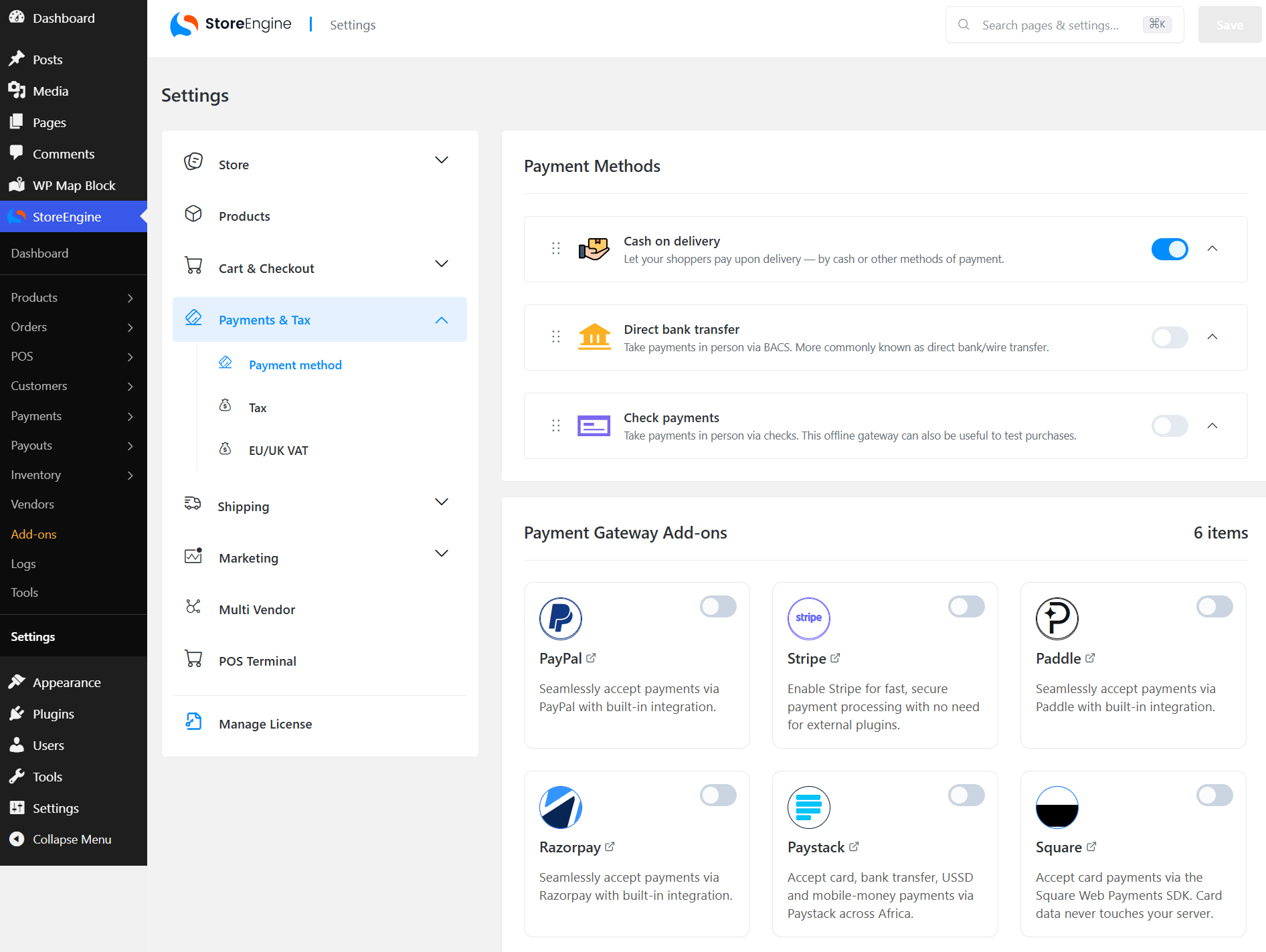
What makes hybrid selling hard is usually the platform, not the strategy. B2B needs tiered pricing, bulk quantities, and offline payment terms; B2C needs a fast consumer checkout; D2C needs subscriptions, memberships, and customer data in one place. If your store platform only does one of these well, every additional model means bolted-on plugins or a second system.
How StoreEngine supports all three models on WordPress
StoreEngine is built as a complete eCommerce platform for WordPress, which is what makes running mixed models practical from one admin.
Which model should you choose?
And if the honest answer is “some of each” — pick a platform that treats that as normal rather than as three separate problems.
The Bottom Line
Margin and data. Selling through retailers means giving up 40-60% of the retail price in wholesale discounts and never knowing who the end customer is. D2C recaptures that margin and produces first-party customer data — the basis for email marketing, subscriptions, and repeat revenue. The trade-off is acquisition: without retail shelves, brands must generate their own demand, and customer acquisition costs have risen roughly 40% in two years. Brands that succeed pair D2C with strong retention mechanics like subscriptions and loyalty.
Frequently asked questions
What is the difference between B2C and D2C?
Both sell to consumers, but the seller differs. In B2C, any business — including retailers and resellers — sells to consumers. In D2C, the brand that makes or owns the product sells directly, with no retailer in between. Every D2C sale is B2C, but not every B2C sale is D2C. The practical difference is margin and data: D2C brands keep the wholesale margin and own the customer relationship.
Is B2B really bigger than B2C eCommerce?
By transaction value, yes — dramatically. The global B2B eCommerce market is valued around $36 trillion in 2026, roughly five times B2C. In the US, about 87% of all eCommerce transaction value is B2B. B2C has far more individual transactions, but B2B orders are much larger — bulk quantities, recurring contracts, and wholesale volumes.
Can I run a B2B and B2C store on the same WordPress site?
Yes. The requirements differ — B2B needs offline payment options, volume pricing, and account-based ordering, while B2C needs a fast consumer checkout — but a platform like StoreEngine supports both from one catalog and one admin. Many stores use coupons with minimum-order thresholds and offline payment methods for wholesale buyers while keeping the standard checkout for consumers.
Why are so many brands moving to D2C?
B2B, B2C, and D2C are not rival philosophies — they are descriptions of who your customer is and how they buy. Most stores start with one, and the good ones expand into a second once the first is working. Understand the economics of each, be honest about which one your product fits today, and build on infrastructure that will not need replacing when your answer changes.