



Creating a course is only half the journey — the real challenge begins when you try to turn that knowledge into consistent income. If you’re running your course on WordPress, you already have one of the most flexible platforms in the world at your fingertips. The question isn’t whether WordPress can support a profitable course business — it absolutely can — the question is how to monetize course site content the right way.
In this guide, we’ll walk through the most effective strategies for WordPress course monetization, show you how tools like StoreEngine and Academy LMS make the process easier, and highlight common mistakes that quietly kill revenue for course creators. Whether you’re just getting started or looking to scale an existing course business, this article will give you a practical, actionable roadmap.
Learn more about how to sell online courses on WordPress and discover how StoreEngine + Academy LMS helps create a better learning and selling experience.
Why Monetization Matters for WordPress Course Creators

Building an online course takes significant time and effort. From researching your topic and recording lessons to editing videos, creating quizzes, and structuring a learning path, every step requires an investment. Without a well-planned monetization strategy, it can be difficult to earn a sustainable return on that investment.
Here’s why monetization matters:
Many course creators spend months developing great content but think about monetization only after launching. In reality, your monetization strategy should be part of your planning process from the beginning. By choosing the right business model early, you can build a course site that not only helps students succeed but also generates consistent, long-term revenue.
Best Ways to Monetize a WordPress Course Site
There’s no one-size-fits-all approach to monetizing a WordPress course site. The best strategy depends on your niche, audience, pricing model, and business goals. However, the following six strategies are used by many successful online course creators and can help you build a sustainable, long-term revenue stream.
Sell Online Courses
The most straightforward way to monetize your course site is to package your knowledge into a structured online course and sell it for a one-time fee. This remains one of the most popular ways WordPress course creators generate revenue because it’s simple to launch and easy for students to understand.
To maximize your course sales:
A smooth checkout experience is often the difference between a sale and an abandoned cart — this is where a dedicated[course checkout](#) — link to your checkout article) system becomes essential rather than optional.
Offer Course Bundles
Instead of selling courses individually, combine related courses into a bundle and offer them at a discounted price. Course bundles increase your average order value while giving students greater value for their investment.
For example, if you teach WordPress development, you could bundle:
Bundles work especially well for students looking for a complete learning path rather than a single course.
Create Membership Plans
Memberships transform one-time course purchases into recurring revenue, creating a more predictable and sustainable income stream. Instead of paying once, students subscribe monthly or annually to access your course library, exclusive content, or community.
Memberships work particularly well when you:
If you want to explore this model further, check out our guide on membership content strategies for WordPress course sites.
Sell Certificates and Premium Access
Many learners are willing to pay extra for additional value beyond course content, especially in professional training, continuing education, or certification-focused industries.
You can monetize this by:
This approach allows you to keep your courses accessible while generating additional revenue from students who want official recognition or enhanced learning resources.
Offer Coaching or Consulting
Some students want personalized guidance instead of learning entirely on their own. By adding coaching or consulting services to your course business, you can significantly increase the value of each customer while providing a more personalized learning experience.
Examples include:
Although coaching requires more of your time and doesn’t scale like self-paced courses, it can substantially increase your revenue per student.
Use Upsells and Cross-sells
One of the most underused strategies to monetize course site revenue is optimizing what happens after a student decides to buy. Upsells and order bumps at checkout can significantly increase your average order value without requiring any additional traffic.
Examples include:
StoreEngine’s Order Bump feature allows you to present recommended products and discounted offers during checkout, helping you increase the value of each order.
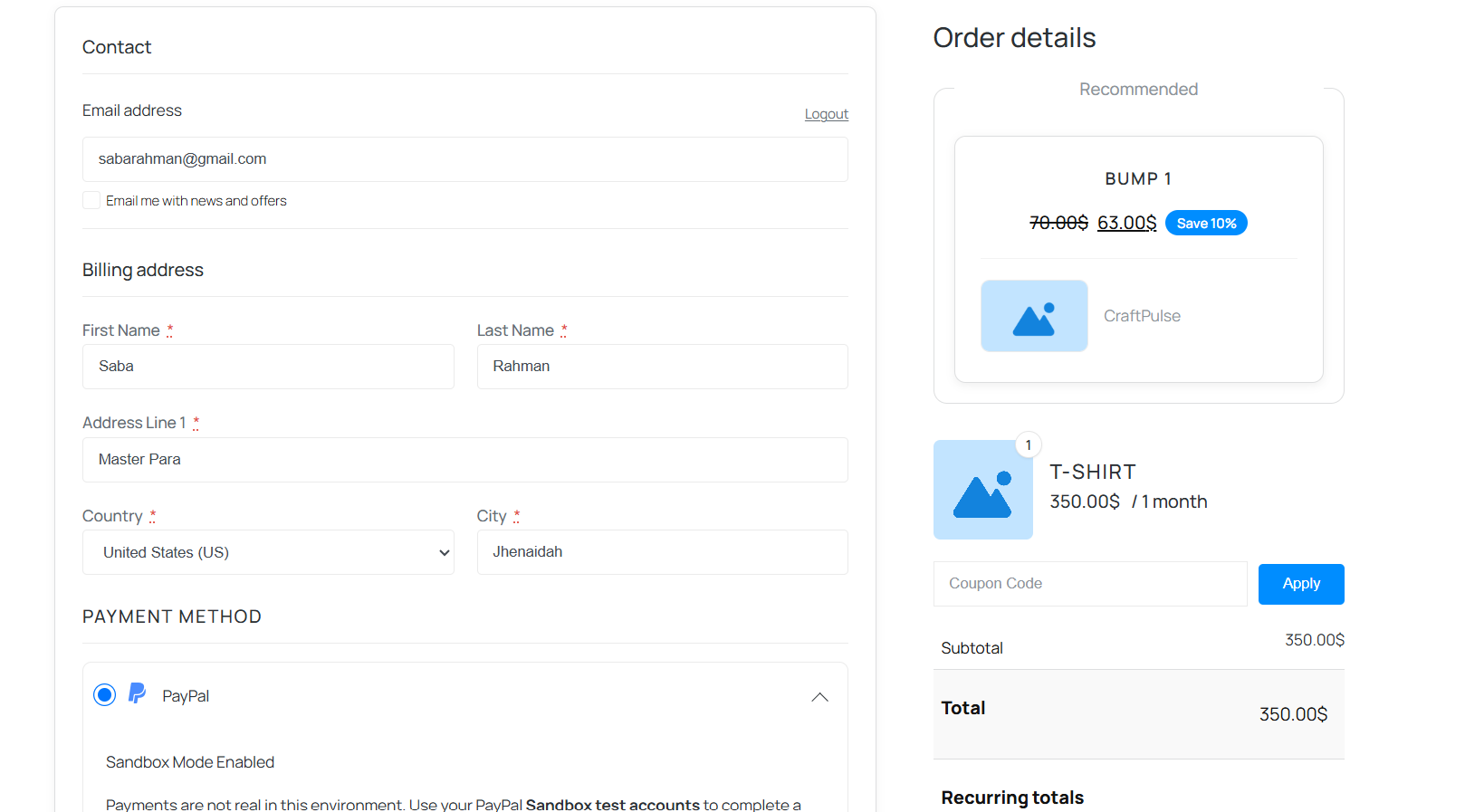
If you haven’t yet implemented this on your site, our guide on upsell and order bump strategies walks through exactly how to set this up on WordPress.
How StoreEngine + Academy LMS Helps Monetize Courses
The strategies above can help you build a profitable online course business, but implementing them effectively requires the right tools. That’s where StoreEngine and Academy LMS work together to simplify course creation, sales, and monetization on WordPress.
Here’s how they support your course business:
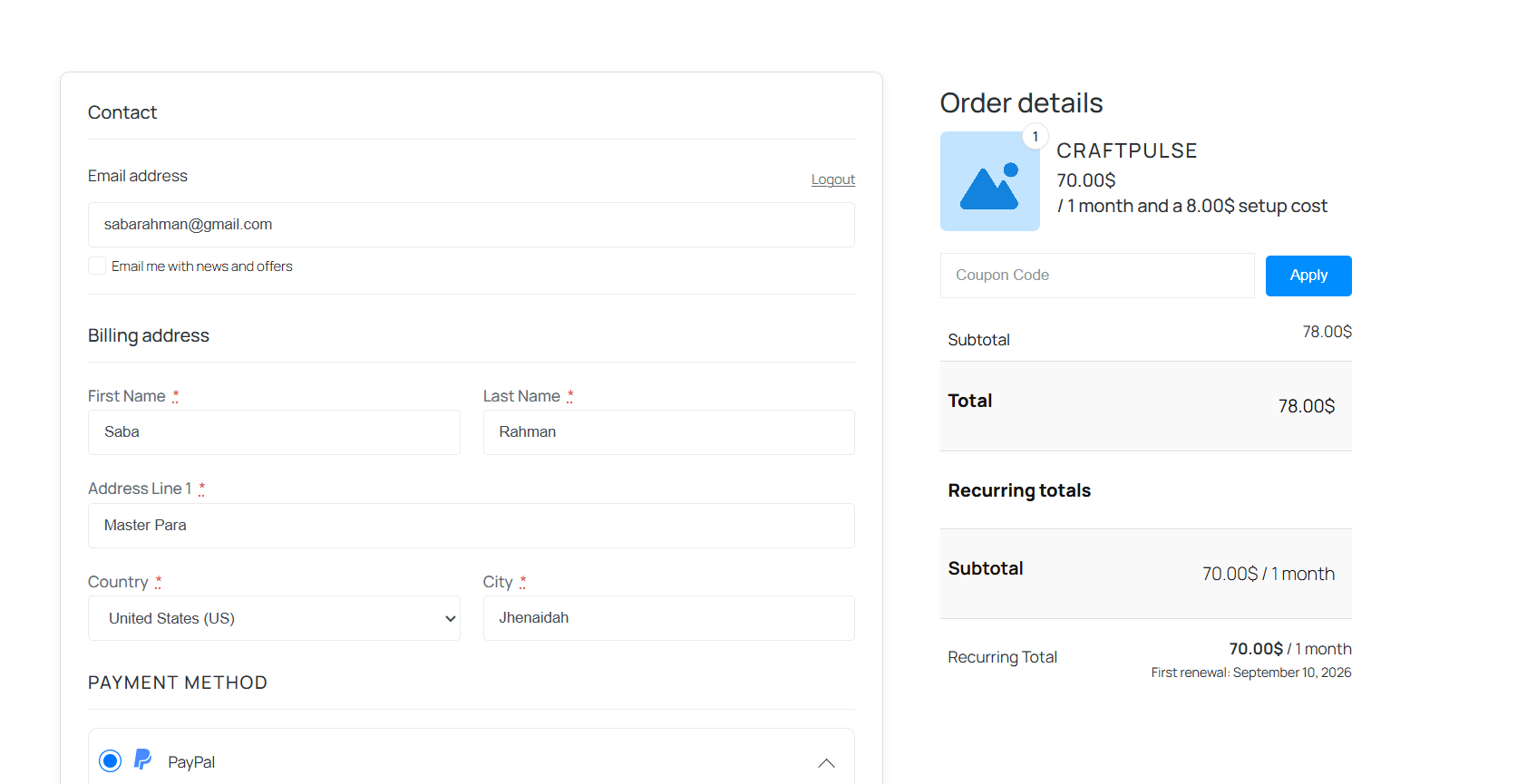
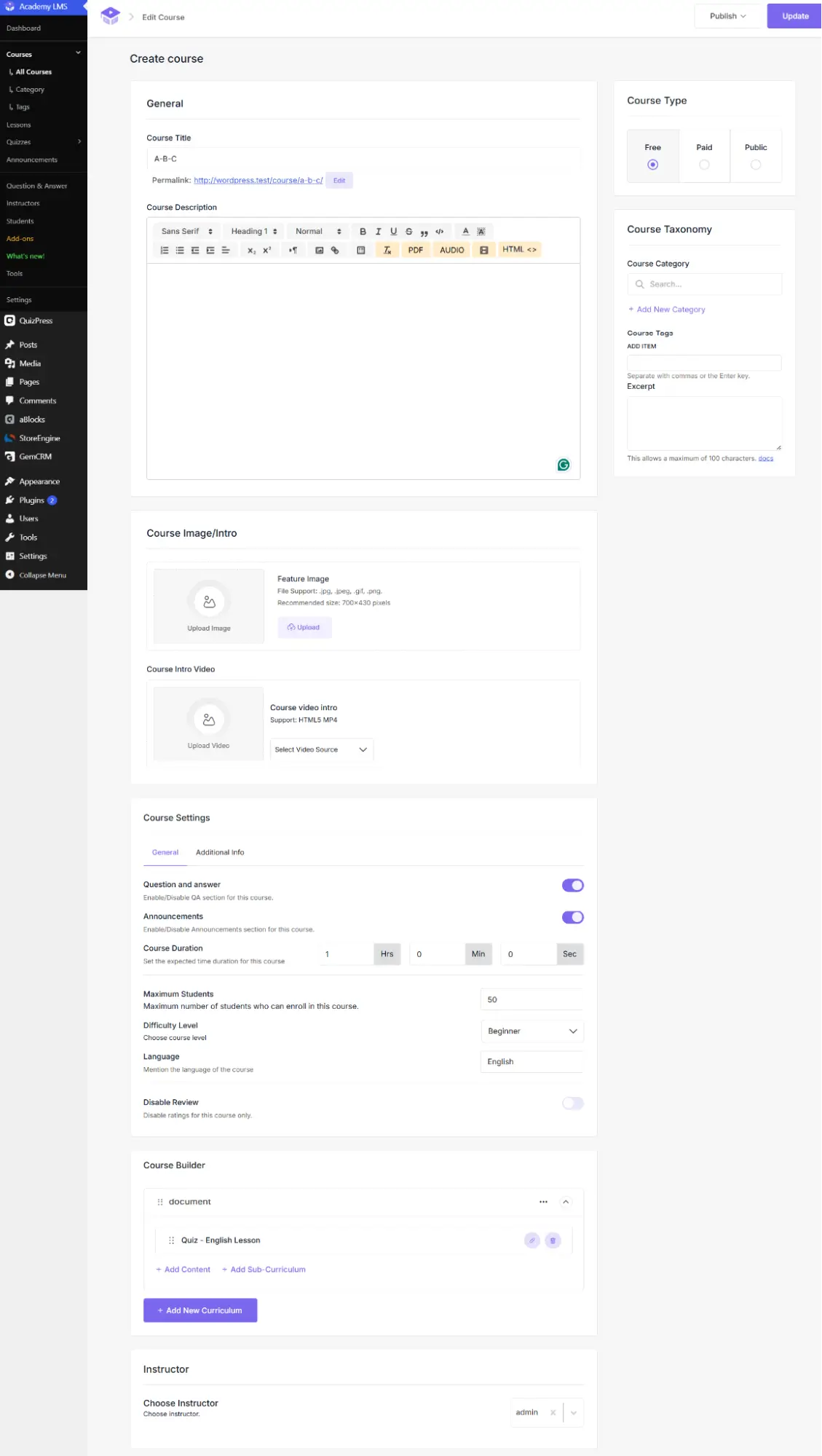
If you’re building or improving your course monetization strategy, be sure to read our complete guide: How to Sell Online Courses on WordPress (StoreEngine + Academy LMS), where we walk through the entire setup process step by step.
The biggest advantage of using StoreEngine with Academy LMS is that they work together within your WordPress ecosystem. Instead of relying on multiple disconnected plugins for payments, course delivery, and student management, you can create a smoother experience for both you and your learners.
Tips to Increase Course Revenue
Once your monetization structure is in place, small optimizations can meaningfully increase revenue over time. Consider these proven tips:
Small, consistent improvements to your funnel often outperform chasing entirely new monetization strategies from scratch.
Common Monetization Mistakes to Avoid

Even well-intentioned course creators fall into these traps. Avoid them to protect your revenue:
Avoiding these pitfalls is often just as important as implementing the right strategies in the first place.
Conclusion
There’s no shortage of ways to monetize course site content on WordPress — from straightforward course sales to memberships, bundles, certificates, coaching, and smart upsells. The key isn’t picking just one strategy, but combining several in a way that fits your audience and business goals.
With the right foundation — like StoreEngine + Academy LMS — you get the infrastructure to implement all of these strategies without cobbling together a fragile stack of plugins. If you’re ready to turn your course content into a real, sustainable income stream, start by reviewing your current checkout flow, testing a membership tier, and exploring upsells on your existing courses.
Ready to get started? Read our complete guide: How to Sell Online Courses on WordPress (StoreEngine + Academy LMS)
Frequently Asked Questions (FAQ)
What is the best way to monetize a WordPress course site?
There’s no single “best” way — the most effective approach combines multiple strategies, such as selling individual courses, offering bundles, adding a membership tier, and using upsells at checkout. Together, these give you both one-time and recurring revenue instead of relying on a single income stream.
Can I sell online courses on WordPress without coding?
Yes. Tools like StoreEngine and Academy LMS are built specifically so you can set up course sales, checkout, and delivery without writing any code. You can create courses, set pricing, and launch memberships entirely through the WordPress dashboard.
Is a membership model better than selling courses individually?
It depends on your goals. One-time course sales are simpler and generate upfront revenue, while memberships build predictable, recurring income over time. Many successful course sites use both — individual courses for standalone topics and a membership for ongoing access to a growing library.
How do upsells and order bumps increase course revenue?
Upsells and order bumps let you offer a related course, bundle upgrade, or premium add-on right at checkout — when a student is already in a buying mindset. This increases your average order value without needing any additional traffic to your site.
Do I need separate plugins for courses, payments, and memberships?
Not necessarily. Using disconnected plugins for each function often creates technical issues and a disjointed student experience. A combined solution like StoreEngine + Academy LMS handles course delivery, checkout, and membership billing together, reducing friction for both you and your students.
How much should I charge for my WordPress course?
Pricing depends on your niche, the transformation you offer, and your audience’s budget. Avoid underpricing just to seem accessible — test a few price points, watch conversion rates, and adjust based on real data rather than guesswork.
What’s the easiest way to start monetizing an existing course site?
Start by auditing your checkout flow for friction, then add one upsell or order bump to your best-selling course. From there, consider layering in a membership tier or bundle offer to diversify your revenue.