

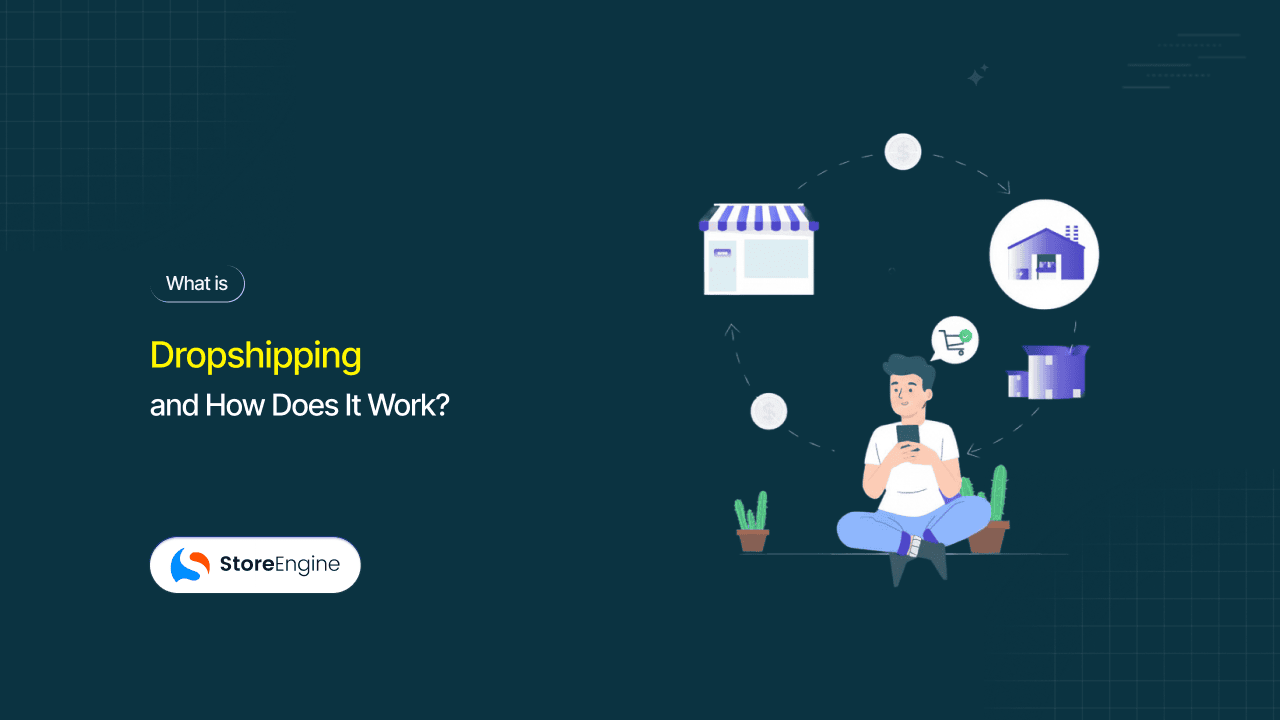

Launching an online business has never been easier. With the rise of eCommerce, anyone can open a digital storefront without investing heavily in inventory or renting a warehouse. One of the business models driving this shift is dropshipping.
At its core, dropshipping is a fulfillment method where you sell products without physically stocking them. Instead of buying inventory upfront, you partner with a supplier who stores, packages, and ships products directly to your customers after an order is placed.
Because you don’t need to purchase or store inventory yourself, dropshipping has become a popular choice for first-time entrepreneurs, side hustlers, and small business owners looking to start an online business with a relatively low upfront investment. However, you’ll still be responsible for managing your online store, monitoring product availability, processing orders, and providing customer support.
This guide explains what dropshipping is, how it works, its advantages and challenges, and the practical steps to help you start your own dropshipping business.
What Exactly Is Dropshipping?

Dropshipping is an eCommerce business model where a store owner sells products without keeping them in stock. When a customer places an order, the store owner forwards the order details to a third-party supplier, who packages and ships the product directly to the customer.
Unlike traditional retail, there’s no need to buy inventory before making a sale. This reduces upfront costs and lowers the financial risk of starting an online business. Instead of storing products, sellers can focus on marketing, customer service, and growing their business while monitoring product availability through their suppliers.
Dropshipping has become a popular choice because it’s relatively easy to start, flexible, and requires a lower upfront investment than many traditional retail businesses.
How the Dropshipping Process Works
Here’s the basic workflow, broken down into simple steps.
Step 1: Pick a Niche
Before anything else, decide what kind of products you want to sell. Rather than trying to be a general store, most successful dropshipping businesses focus on a specific niche.
Common niches include:
- Fashion
- Beauty products
- Home décor
- Pet supplies
- Fitness gear
- Phone accessories
- Office supplies
- Baby products
Focusing on a niche makes it easier to understand your target audience and create more effective marketing campaigns.
Step 2: Find a Reliable Supplier
Once you’ve chosen your niche, the next step is finding a supplier who offers quality products and reliable service.
Look for a supplier that provides:
- High-quality products
- Competitive pricing
- Reliable shipping
- Responsive communication
- Accurate inventory updates
Since your supplier handles fulfillment, choosing the right partner is essential for customer satisfaction.
Step 3: Set Up Your Online Store
Build an online store where customers can browse and purchase your products.
Your store should include:
- Easy navigation
- High-quality product images
- Detailed product descriptions
- Secure checkout
- Contact information
- A mobile-friendly design
A professional-looking website helps build trust and encourages customers to complete their purchases.
Step 4: Customers Place Orders
Customers browse your store, add products to their cart, and complete the checkout process. Once the payment is confirmed, you receive the order details.
Step 5: Forward the Order to Your Supplier
You send the customer’s order details to your supplier. This can be done manually or through an automated system, depending on how your store is set up.
Step 6: The Supplier Ships the Product
The supplier packages and ships the product directly to your customer. While you don’t handle inventory or shipping yourself, you’ll still be responsible for monitoring orders, assisting customers, and resolving any delivery-related issues if they arise.
Why Dropshipping Appeals to So Many Entrepreneurs

Lower Startup Costs
One of the biggest advantages of dropshipping is that you don’t need to purchase inventory before making sales. This keeps startup costs relatively low compared to traditional retail. However, you’ll still need a budget for your website, domain, marketing, and payment processing fees.
Simplified Inventory Management
Your supplier stores, packages, and ships products on your behalf. However, you should still monitor product availability and stock updates to avoid selling items that are out of stock.
A Broad Product Catalog
Because you don’t need to buy inventory upfront, you can offer a wide range of products and test new ideas with less financial risk.
Location Flexibility
Most dropshipping businesses can be managed from anywhere with a reliable internet connection, making this business model attractive for remote entrepreneurs.
Room to Scale
As your business grows, your supplier continues handling order fulfillment, allowing you to spend more time on marketing, customer service, and growing your business.
The Challenges Worth Knowing About
Thinner Profit Margins
Since many sellers offer similar products, competition can reduce profit margins. Standing out often requires strong branding, excellent customer service, and effective marketing rather than competing only on price.
Stiff Competition
Because dropshipping has a relatively low barrier to entry, popular niches can become highly competitive. Choosing a specific niche and developing a unique marketing strategy can help your business stand out.
Reliance on Suppliers
Your business depends on your supplier’s ability to maintain product quality, inventory, and timely shipping. Delays or stock shortages can affect your customers’ experience, making reliable supplier relationships essential.
Longer Shipping Times
Products may be shipped from different locations, which can result in longer delivery times. Setting realistic shipping expectations and keeping customers informed helps build trust.
Limited Control Over Quality
Because suppliers ship products directly to customers, you typically don’t inspect every item before delivery. Ordering sample products and working with trusted suppliers can help maintain product quality and reduce potential issues.
How to Launch a Dropshipping Business

1. Study the Market
Before choosing products, research market trends, customer demand, and your competitors. This helps you identify products with long-term potential instead of relying only on short-term trends.
2. Choose Reliable Suppliers
Compare potential suppliers based on product quality, shipping speed, customer reviews, and communication. Working with reliable suppliers can improve customer satisfaction and reduce operational issues.
3. Build a Professional Online Store
Your website represents your business. Focus on fast loading speeds, mobile responsiveness, easy navigation, secure checkout, and clear contact information to create a trustworthy shopping experience.
4. Create High-Quality Product Listings
Write clear and accurate product descriptions, use high-quality images, and provide transparent pricing and shipping information. Well-optimized product pages help customers make informed buying decisions.
5. Set Competitive Prices
When pricing your products, consider supplier costs, payment processing fees, marketing expenses, and your target profit margin.
6. Promote Your Store
Marketing plays an important role in attracting customers and growing your business. Consider using:
- Search Engine Optimization (SEO)
- Social media marketing
- Content marketing
- Email marketing
- Paid advertising
- Influencer partnerships
Using a combination of these marketing channels can help increase brand awareness, drive traffic to your store, and generate more sales over time.
Tips for Long-Term Success
Building a successful dropshipping business takes time, consistency, and continuous improvement. Here are a few best practices to help you grow over the long term:
- Focus on a specific niche instead of trying to sell everything.
- Partner with reliable suppliers you can trust.
- Provide fast, helpful, and professional customer support.
- Keep your product listings accurate, detailed, and up to date.
- Use high-quality product images to build customer confidence.
- Monitor your website’s performance and sales regularly.
- Stay informed about eCommerce trends and changing customer preferences.
- Test and refine your marketing strategies to improve results over time.
Common Mistakes to Avoid
Many beginners make mistakes that can slow their business growth. Avoiding these common pitfalls can help you build a more stable and sustainable business.
- Choosing products without proper market research
- Partnering with unreliable suppliers
- Neglecting customer service
- Using low-quality product images
- Setting unrealistic prices
- Expecting overnight success
- Relying on a single supplier
Learning from these mistakes and continuously improving your business strategy can help you build stronger customer relationships and support long-term growth.
Is Dropshipping Worth It?

For many entrepreneurs, the answer is yes. Dropshipping can be a practical way to start an online business, especially for those willing to invest time in learning, marketing, and providing a positive customer experience.
While it isn’t a way to earn money overnight, dropshipping remains one of the most accessible eCommerce business models because it doesn’t require a large upfront investment in inventory. Choosing the right niche, partnering with reliable suppliers, and building a professional online store can help create a strong foundation for long-term business growth.
Final Thoughts
Dropshipping is a beginner-friendly eCommerce business model that allows you to sell products without storing inventory or handling shipping yourself. By working with reliable suppliers, building a professional online store, and focusing on customer satisfaction, you can create a strong foundation for your business.
Like any business, dropshipping requires planning, patience, and continuous improvement. Success depends on choosing the right products, partnering with trusted suppliers, providing excellent customer service, and using effective marketing strategies. Whether you’re launching your first online store or exploring a new business opportunity, understanding how dropshipping works is an important first step toward building a sustainable eCommerce business.
Frequently Asked Questions
Is dropshipping legal?
Yes. Dropshipping is a legal business model in most countries, provided you comply with local business regulations, tax requirements, and consumer protection laws.
Do I need to hold inventory?
No. In a typical dropshipping business, your supplier stores and ships the products on your behalf, so you don’t need to maintain your own inventory or warehouse.
Is dropshipping a good fit for beginners?
Yes. Because it requires a relatively low upfront investment and doesn’t require managing inventory, dropshipping is a popular option for entrepreneurs starting their first online business.
Can I sell to international customers?
Yes, many suppliers offer international shipping, allowing you to sell products to customers in different countries. However, shipping availability, delivery times, shipping costs, customs fees, and local regulations vary depending on the supplier and destination country. Always review your supplier’s shipping policies before expanding internationally.