


The way people pay online has changed significantly in recent years. Instead of paying the full amount upfront, many shoppers now prefer flexible payment options like installments or recurring payments.
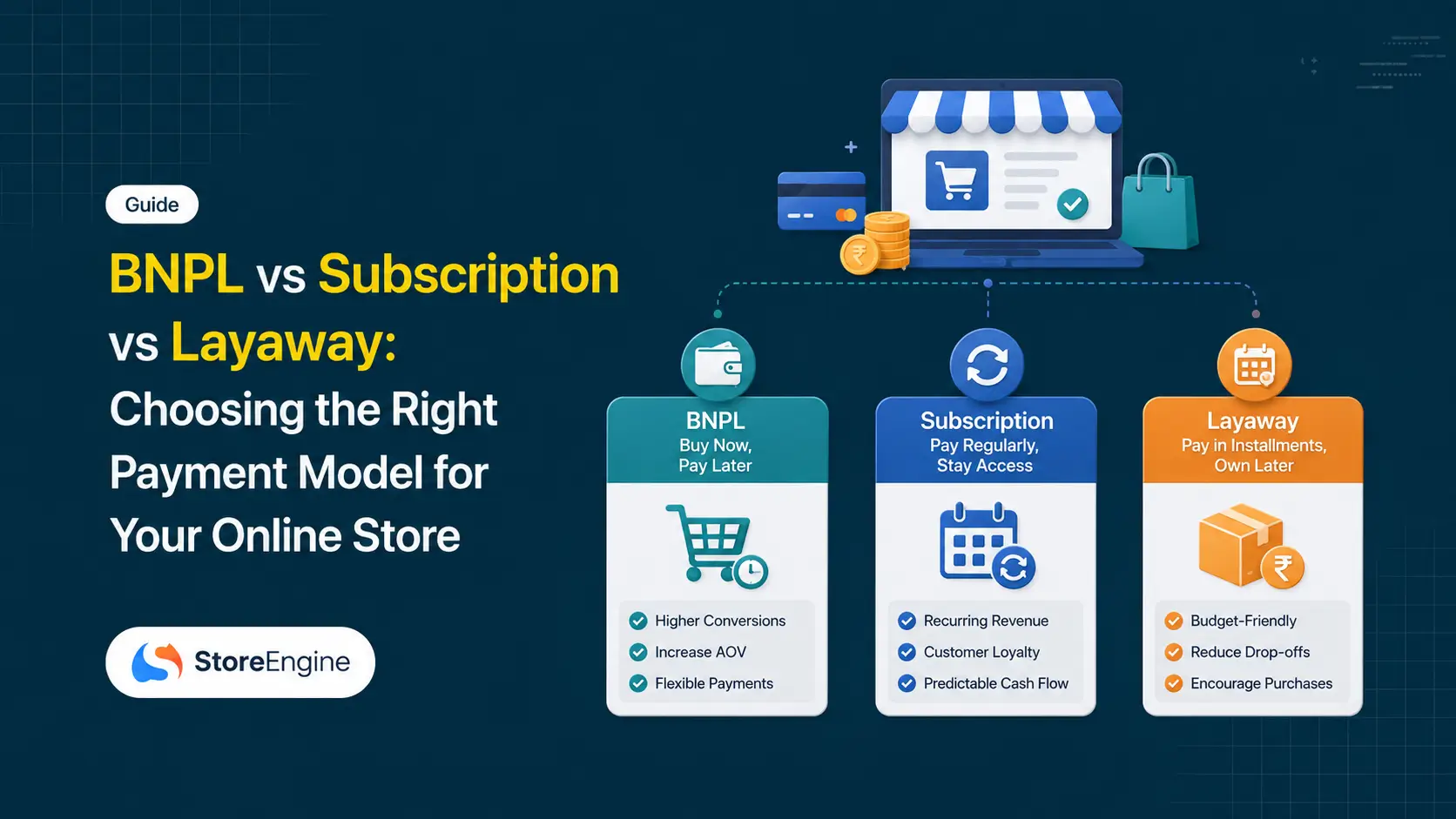
Today, three popular payment models stand out: Buy Now, Pay Later (BNPL), subscription-based payments, and layaway. Each works differently and is designed for different products, customers, and business goals.
Choosing the right payment model depends on what you sell, how your customers prefer to pay, and the experience you want to offer. In this guide, we’ll compare BNPL vs Subscription vs Layaway, explain how each model works, and help you decide which option is best for your online store.
What Is Buy Now, Pay Later (BNPL)?
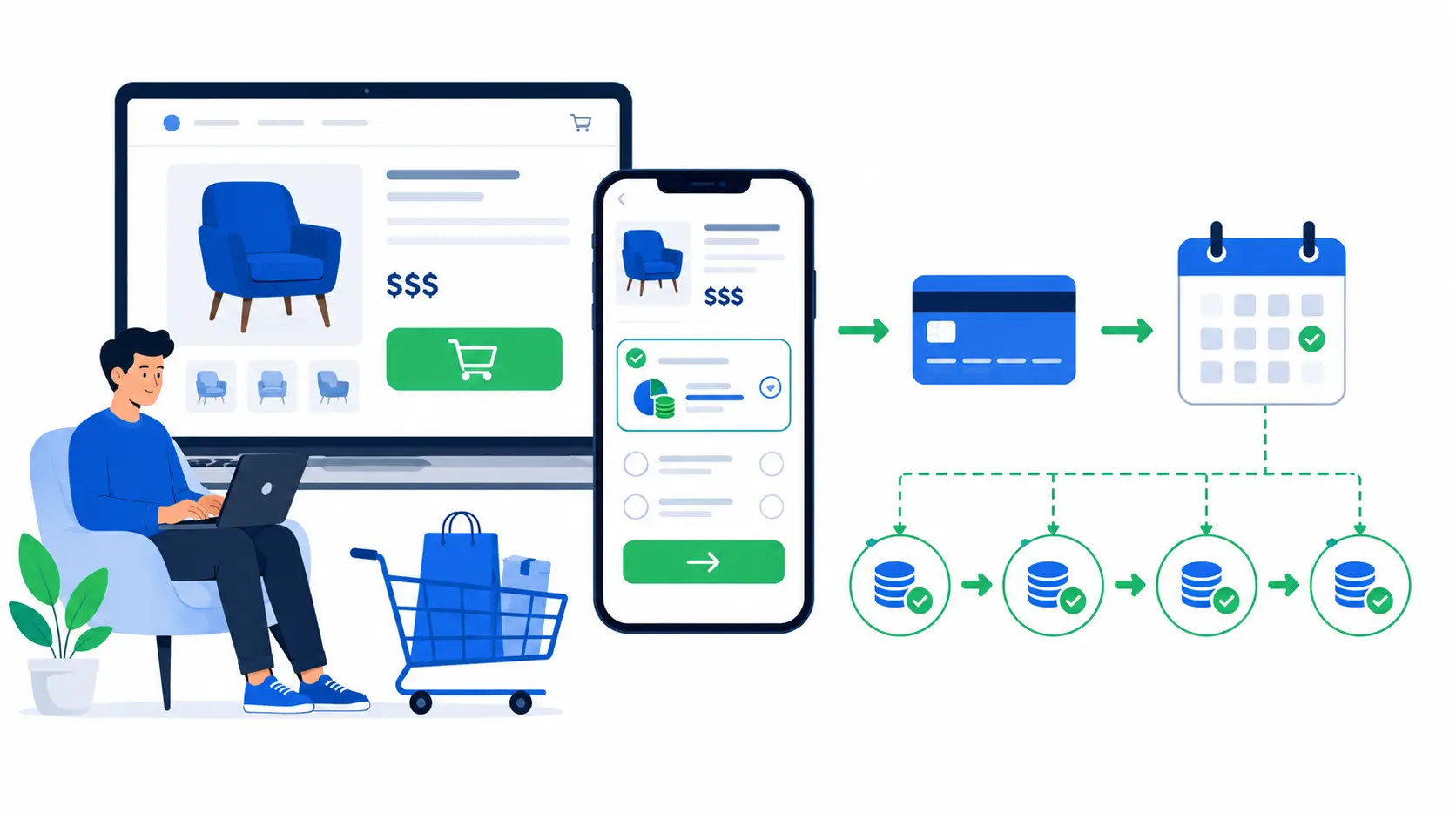
Buy Now, Pay Later (BNPL) is a payment model that allows customers to receive a product immediately while paying for it in smaller installments over time. It has become one of the fastest-growing payment options in eCommerce, especially among younger shoppers looking for greater financial flexibility.
How BNPL Works
- The customer purchases a product and receives it right away without paying the full amount upfront.
- The total cost is divided into multiple installments. Depending on the provider, customers may choose interest-free payments or longer financing plans for larger purchases.
- A third-party BNPL provider (such as Klarna, Afterpay, or Affirm) typically pays the merchant shortly after the purchase (minus any applicable fees) and then collects installment payments directly from the customer.
This means the merchant receives payment quickly, while the customer repays the BNPL provider over time according to the agreed payment schedule.
Benefits of BNPL for Online Stores
- Increases purchasing power: Customers can afford higher-priced items without paying the full amount upfront.
- Reduces checkout hesitation: Smaller installment payments often feel more manageable than one large payment.
- Can improve conversion rates: Flexible payment options may encourage more customers to complete their purchases.
- Works well for high-ticket products: BNPL makes expensive products more accessible to budget-conscious shoppers.
Drawbacks of BNPL
- Transaction fees: BNPL providers typically charge merchants a fee per transaction, which may be higher than standard card processing fees.
- Potential customer debt concerns: Customers who overuse BNPL may take on more debt than they can comfortably repay.
- Dependence on third-party providers: Approval decisions, payouts, and payment management are handled by the BNPL provider.
Best Products for BNPL
- Electronics
- Furniture
- Luxury items
- High-value online courses or services
BNPL works best for higher-priced products where spreading the cost over time makes purchasing more affordable and encourages customers to complete their orders.
What Is a Subscription Payment Model?
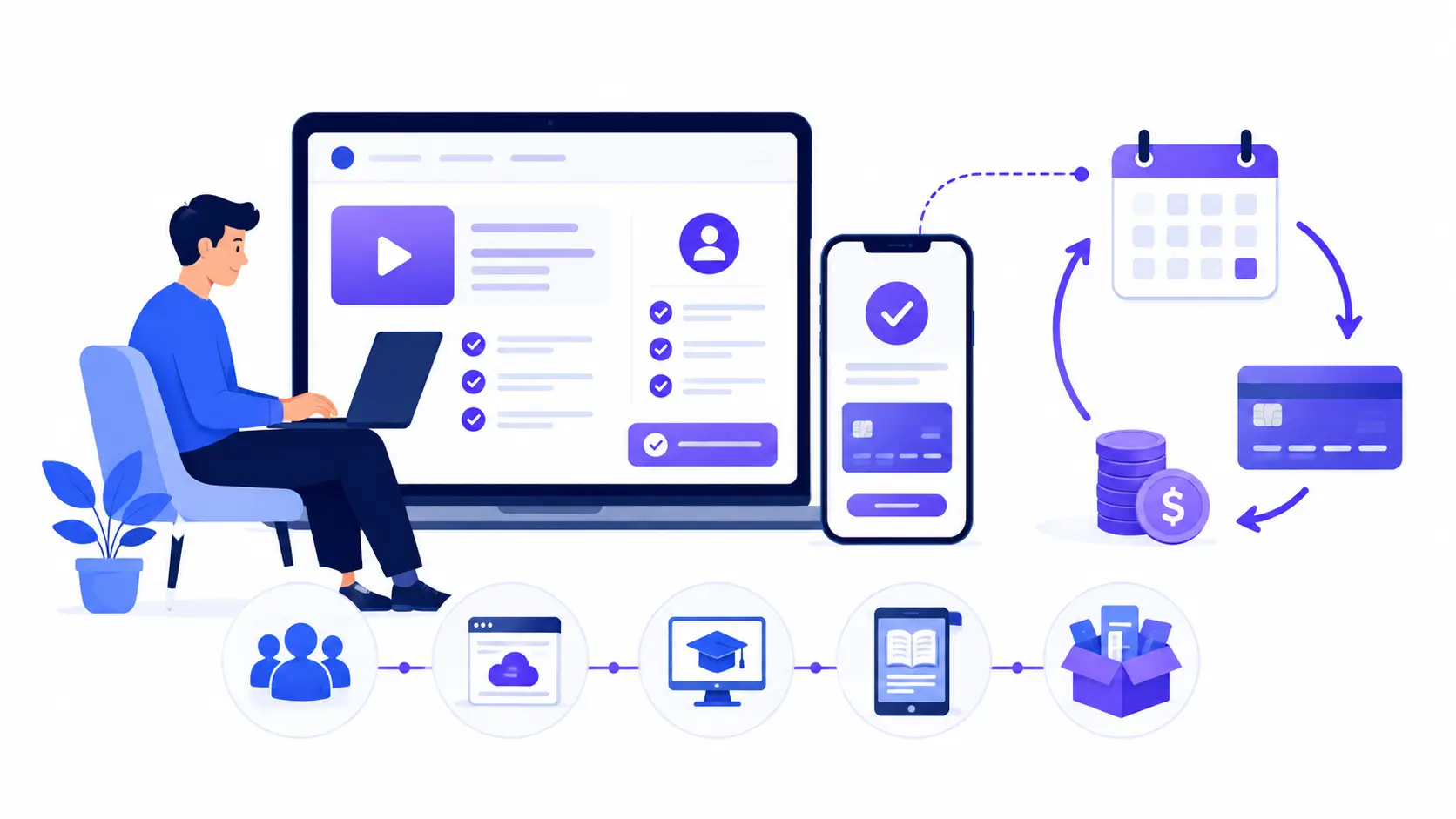
A subscription payment model is based on recurring payments in exchange for ongoing access to a product or service. Instead of making a one-time purchase, customers pay at regular intervals to continue receiving value.
How Subscriptions Work
- Customers pay on a recurring schedule—monthly, yearly, or at a custom interval set by the business.
- As long as payments continue, customers retain access to the product or service.
- If a payment fails or a subscription is cancelled, access may be paused or revoked depending on the business’s billing policy.
Benefits of Subscription Models
- Creates predictable recurring revenue: Businesses can forecast income more accurately over time.
- Improves customer retention: Subscribers are more likely to stay engaged with a brand than one-time buyers.
- Builds long-term relationships: Ongoing interactions create opportunities for upselling, customer feedback, and loyalty.
- Supports better financial planning: Recurring billing provides greater visibility into future revenue, making budgeting and growth planning easier.
Challenges of Subscription Selling
- Requires continuous customer value: Customers will cancel if they no longer see enough value.
- Managing renewals and cancellations: Failed payments, renewals, and subscription changes require ongoing management.
- Customer churn: Every subscription business experiences cancellations, making customer retention and new sign-ups equally important.
Best Products for Subscription
- Memberships
- Software products (SaaS)
- Online courses
- Digital content
- Subscription boxes
Subscription models work best for products and services that deliver ongoing value, making recurring payments a natural fit for both businesses and customers.
What Is Layaway?
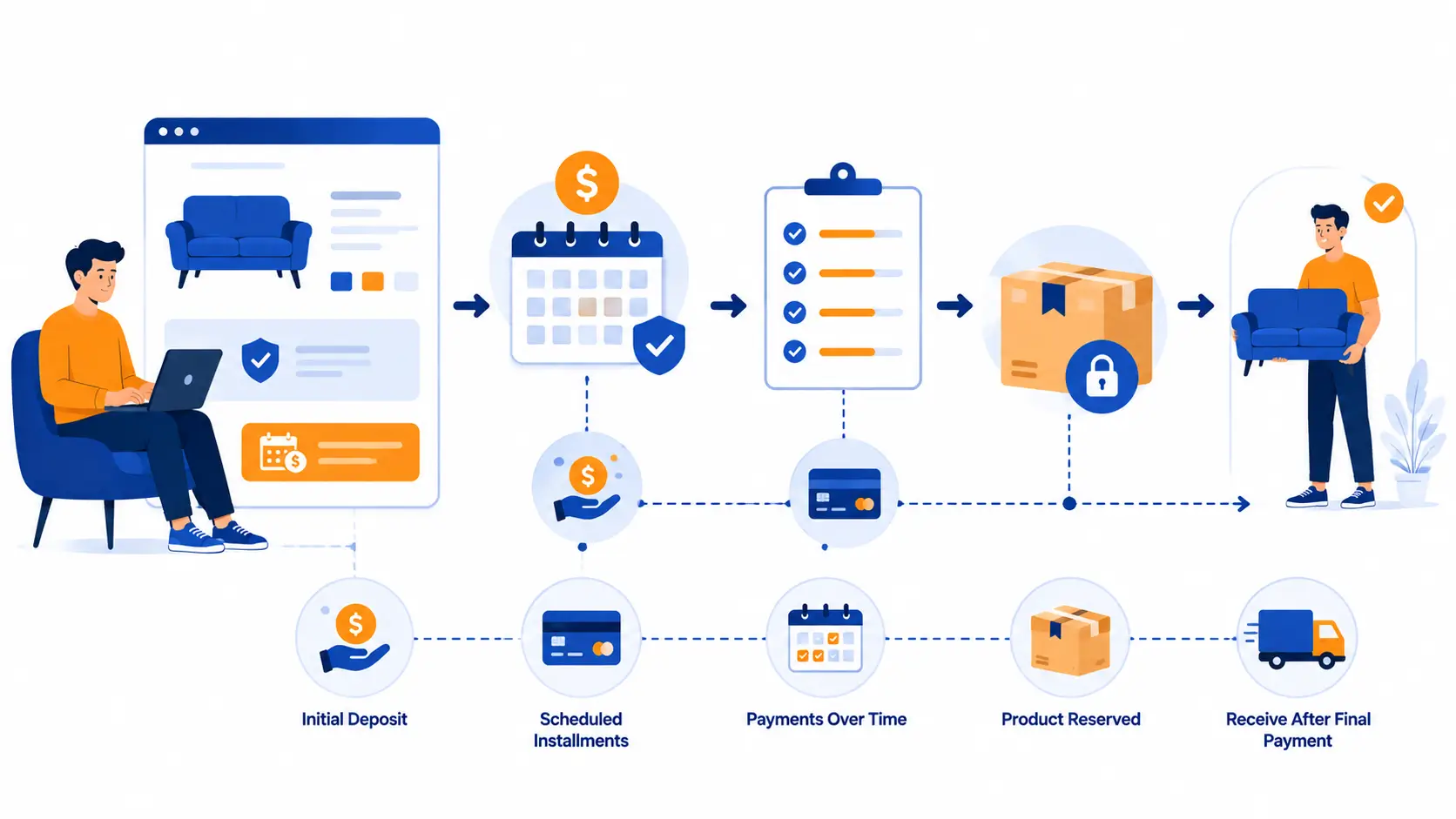
Layaway is one of the oldest flexible payment models, predating both BNPL and digital subscriptions. It allows customers to reserve a product and pay for it over time. Unlike BNPL, customers don’t receive the item until the full payment has been completed.
How Layaway Works
- The customer selects a product and reserves it, often by making an initial deposit.
- Payments are made over an agreed period according to a set schedule.
- Once the full amount has been paid, the merchant releases the product to the customer.
Benefits of Layaway
- Helps customers afford expensive purchases: It spreads the cost over time, typically without interest or traditional credit checks.
- No borrowing required: Since customers pay before receiving the product, layaway doesn’t involve taking on credit.
- Appeals to budget-conscious shoppers: It allows customers to save toward a purchase instead of financing it.
Drawbacks of Layaway
- Inventory is held until payment is complete: The merchant reserves stock for a product that hasn’t been fully paid for.
- Delayed product delivery: Customers must wait until the final payment before receiving their purchase.
- Can require more administration: Managing partial payments, reservations, and order fulfillment may require more effort than automated BNPL or subscription systems.
Best Products for Layaway
- Jewelry
- Furniture
- Seasonal products
- Other high-value goods
Layaway is best suited for customers who prefer to avoid debt and are comfortable paying for a product over time before taking it home.
BNPL vs Subscription vs Layaway: Key Differences
|
Feature |
BNPL |
Subscription |
Layaway |
|
Payment timing |
Pay later in installments |
Recurring payments |
Pay before receiving the product |
|
Product access |
Immediate |
Continuous access |
After full payment |
|
Revenue model |
One-time sale |
Recurring revenue |
Revenue received over time; product delivered after full payment |
|
Best for |
Expensive products |
Ongoing products or services |
High-cost physical products |
This side-by-side comparison highlights the fundamental difference between the three models: BNPL prioritizes instant access with deferred payment, subscriptions prioritize ongoing value with recurring payment, and layaway prioritizes affordability with deferred access.
Which Payment Model Is Right for Your Business?
The best payment model depends on what you sell, how your customers prefer to pay, and your overall business goals. Here’s a simple guide to help you choose.
Choose BNPL If:
- You sell high-value products that customers may hesitate to purchase upfront.
- Your customers expect flexible payment options at checkout.
- You want to increase average order value by making larger purchases more affordable.
Choose Subscription If:
- You offer products or services that provide ongoing value.
- Predictable recurring revenue is important to your business.
- Building long-term customer relationships is a key priority.
Choose Layaway If:
- Your customers prefer paying over time without using credit.
- You sell high-cost physical products where customers don’t need immediate delivery.
- Credit-based payment options aren’t the best fit for your target audience.
There’s no one-size-fits-all solution. The right payment model is the one that best matches your products, your customers’ preferences, and your business objectives.
Can You Use Multiple Payment Models Together?
Yes—and in many cases, offering more than one payment model is the smartest approach. Different customers have different payment preferences, and a single online store can serve multiple audiences by providing flexible payment options.
For example, you could use:
- Subscription for memberships or services that deliver ongoing value.
- BNPL for high-value one-time purchases, such as electronics or furniture.
- Layaway for selected premium or seasonal products, where customers prefer to pay over time before receiving the item.
Benefits of Offering Multiple Payment Options
- Customers are more likely to complete a purchase when they can choose a payment method that fits their budget and preferences.
- You can appeal to a wider range of shoppers, including subscribers, budget-conscious buyers, and customers who prefer installment payments.
- Flexible payment options can help increase conversions and maximize revenue across different product categories.
Rather than relying on a single payment model, consider matching each option to the products and customers it serves best. This approach creates a better shopping experience while supporting a wider range of buying preferences.
How StoreEngine Helps Create Flexible eCommerce Experiences
Supporting flexible payment options starts with a reliable eCommerce platform. Your store needs to handle payment integrations, product management, and checkout efficiently while providing a smooth shopping experience.
StoreEngine is a WordPress eCommerce solution designed to help businesses build modern online stores with a streamlined checkout experience and flexible payment integrations.
Whether you offer one-time purchases, recurring products, or additional payment options through supported payment providers, StoreEngine helps simplify store management while keeping the buying process straightforward.
Some of the ways StoreEngine supports a flexible shopping experience include:
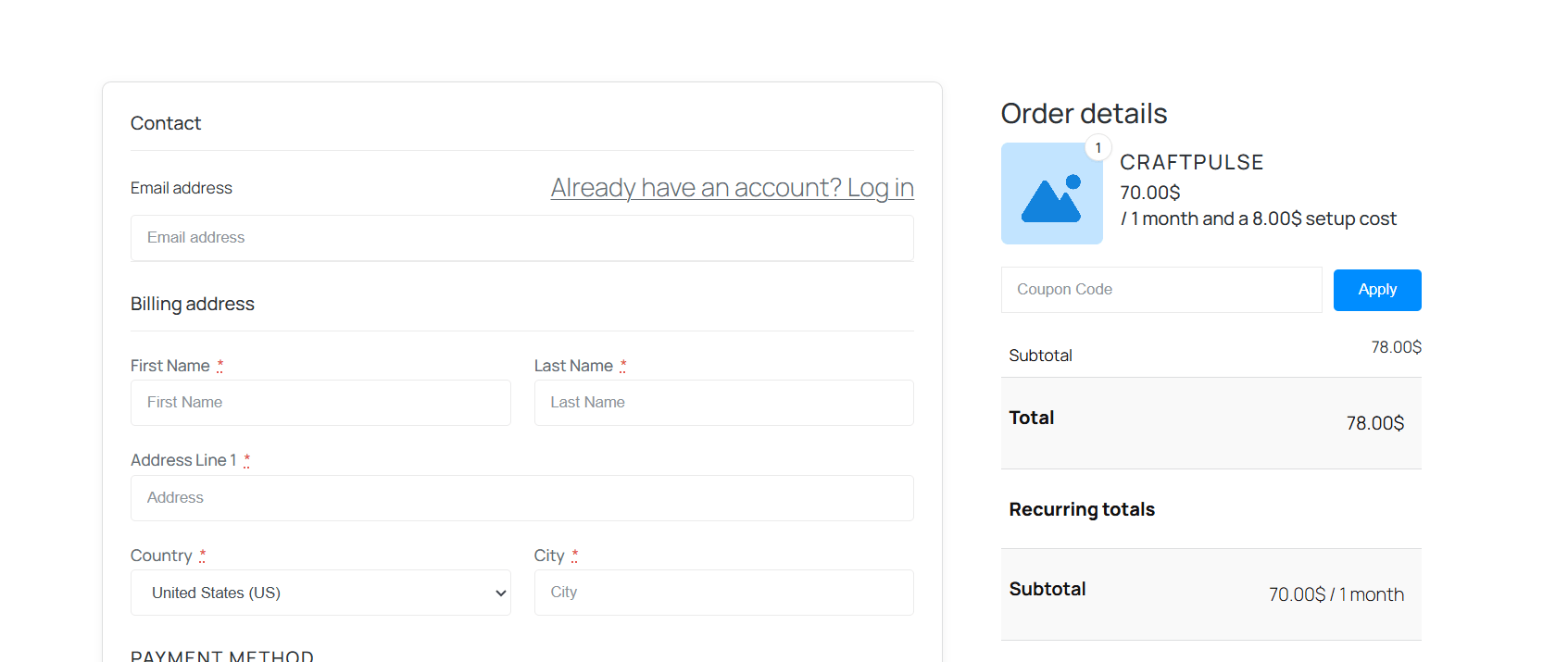
- Payment integrations: Connect with supported payment gateways to give customers more ways to pay.
- Optimized checkout: Reduce friction during checkout and encourage more customers to complete their purchases.
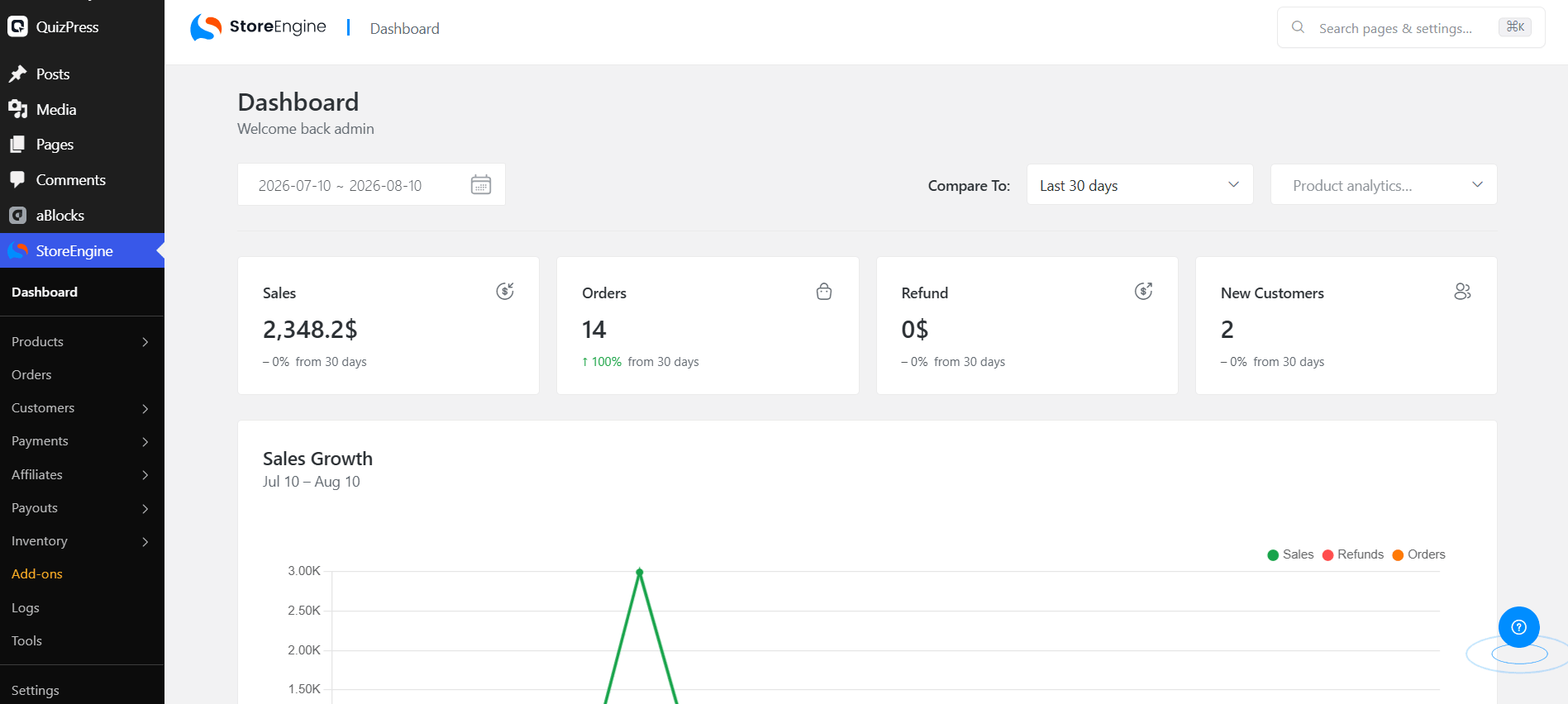
- Centralized store management: Manage products, orders, and customers from a single dashboard.
Flexible payment options can improve the shopping experience by giving customers more choice and convenience. Combined with a well-optimized store, they can help increase conversions, improve customer satisfaction, and support long-term business growth.
Final Verdict
There isn’t a single winner in the BNPL vs Subscription vs Layaway comparison because each payment model is designed for a different purpose. BNPL is ideal for high-value one-time purchases, Subscription is best for businesses that offer ongoing products or services, and Layaway works well for customers who prefer to pay over time before receiving their purchase.
The best choice depends on what you sell, how your customers prefer to pay, and your overall business goals. Rather than relying on a single payment model, consider using the option—or combination of options—that best fits your products and creates a more flexible shopping experience for your customers.
FAQ
What is the difference between BNPL and layaway?
BNPL lets customers receive a product immediately and pay for it in installments over time, while layaway requires customers to complete all payments before receiving the product. BNPL typically involves a third-party provider, whereas layaway is usually managed by the merchant.
Is subscription better than one-time payments?
Not necessarily. Subscription payments work best for products or services that provide ongoing value, such as software, memberships, or digital content. One-time payments are generally better suited for standalone products that don’t require recurring access.
Does BNPL increase online sales?
Offering BNPL can help improve conversion rates and increase average order value by making larger purchases more affordable. However, the results depend on factors such as your products, target audience, and overall checkout experience.
Which payment model is best for small businesses?
The best option depends on your business model. Stores selling high-value physical products may benefit from BNPL or, where appropriate, layaway, while businesses offering memberships, software, or digital services often benefit more from subscriptions.
Can an online store offer multiple payment options?
Yes. Many online stores offer multiple payment options to meet different customer preferences. For example, a business may combine subscriptions with BNPL or provide other flexible payment methods depending on its products and target audience.